



Architecture and Construction Career Pathways
Architecture and construction career pathways will be explained in the present passage. To start with, let’s say architecture and construction is a complex cluster. The cluster deals with all aspects of planning, building, and maintaining a structure, whether it is a skyscraper or a highway. To start about career pathways, we first define the terms architecture and construction.
Architecture Definition
Architecture is both the process and the product of planning, designing, and constructing buildings or other structures. Architectural works, in the material form of buildings, are often perceived as cultural symbols and as works of art. Historical civilizations are often identified with their surviving architectural achievements. Architecture, the art and technique of designing and building, as distinguished from the skills associated with construction. The practice of architecture is employed to fulfill both practical and expressive requirements, and thus it serves both utilitarian and aesthetic ends.
Construction Definition
Construction is a general term meaning the art and science to form objects, systems, or organizations, and comes from Latin constructio and Old French construction. To construct is the verb: the act of building, and the noun is construction: how something is built, the nature of its structure. In its most widely used context, construction covers the processes involved in delivering buildings, infrastructure and industrial facilities, and associated activities through to the end of their life. It typically starts with planning, financing, and design, and continues until the asset is built and ready for use; construction also covers repairs and maintenance work.
Jobs in Architecture and Construction
Jobs in this field range from designing an entire community to installing security and fire alarms in individual buildings. In addition to the planning and building of structures, this field also covers the servicing of equipment that, when installed, becomes a vital part of the structure, such as plumbing, heating, central air-conditioning, electrical wiring, lighting equipment, elevators, and escalators.
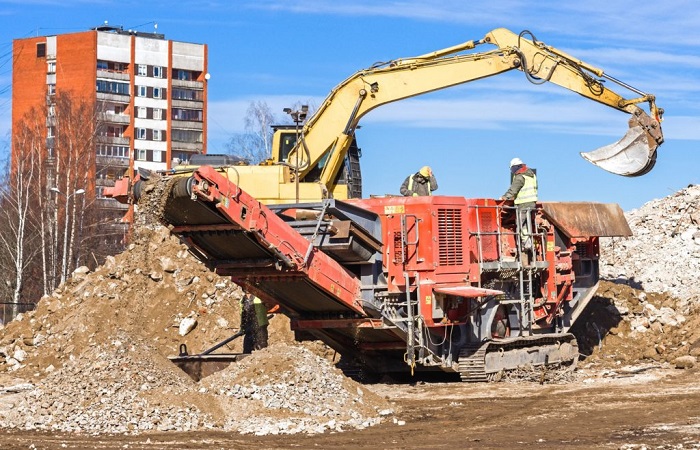
Architecture and Construction Career Cluster
For most of the trades involved in construction, the workers do not start at the beginning of the building process and work until the building is complete. Workers come in for the portion of the job that involves them and then move on to other projects. So, an electrician comes in to wire a house and then moves on to another construction site. He or she may have to come back to do more electrical work, but it is not essential to have an electrician at a job site every day. Because workers come and go, it is important to have a project supervisor, or job foreman, who knows all the phases of the work being done.
Architecture and Construction Career Pathways
There are three pathways in the architecture and construction field:
- Construction
- Dsign/Pre-construction
- Maintenance/Operations
Construction Career Path
People in this area turn plans into reality. Depending on the area in which they work, they build, renovate, and restore houses, office buildings, factories, bridges, highways, and just about any other structure. Many of the jobs in this area require a training or apprenticeship period, and some require a two- or four-year degree. Examples of careers in construction include construction inspectors, construction laborers, landscape architects, plumbers, and sheet metal workers.
Design/Pre-construction Career Path
People in this area take the idea for a structure and turn it into a set of detailed plans. Once a construction project gets underway, other workers use these plans as the basis for their work. Most states require people in this area to pass certain tests and obtain a license. Careers in design/pre-construction include architects, city planners, civil engineers, computer-aided design technicians, cost estimators, and surveyors.
Maintenance/Operations Career Path
People who work in this area keep buildings and other structures running smoothly. They ensure that a structure meets all government codes and that it is safe and comfortable for those who use it. Some of the jobs in this field overlap with those in construction. But people in maintenance/operations work on structures that have already been completed. Examples of careers in this area are electricians, elevator installers and repairers, floor covering installers, heating and cooling technicians, and janitors and cleaners.
Exploring Architecture and Construction Career Cluster
People who work in architecture and construction should have solid math skills, as these often come into play in most jobs of this nature. People involved in design/ pre-construction especially should have a strong grasp of visual detail. Attention to detail is vital to all careers in this area, as the difference of several well-placed bolts could mean the difference between success and catastrophe when building a bridge or highway overpass. Thus, classes in art, drafting, and math will be great preparation for this type of job. Some careers, such as construction laborer, require that the worker be able to lift heavy objects and stand on his or her feet for many hours at a time, working in all types of weather conditions. If that type of career interests you, be sure to stay in shape and build your stamina.
Training or Apprenticeship
Although some jobs in construction may require only a high school diploma, most of the jobs in this field, especially those that involve skilled labor, require a period of formal training or an apprenticeship. During this time a new employee works alongside experienced skilled workers and learns the trade. After a designated period of time, the new employee generally must pass a licensing examination. This is done in order to practice the trade on his or her own. Many of the careers in this field, such as architects, engineers, and city planners require a bachelor’s degree or greater, and advanced certifications are also available.
Send your price quotes directly to our WhatsApp through this Link: https://wa.link/ord5k8
To learn more about us, click here.
Sources
career.iresearchnet.com/career-clusters/architecture-and-construction-career-cluster/
en.wikipedia.org/wiki/Architecture
www.britannica.com/topic/architecture
en.wikipedia.org/wiki/Construction