

Glass versus Crystal: Features and Differences
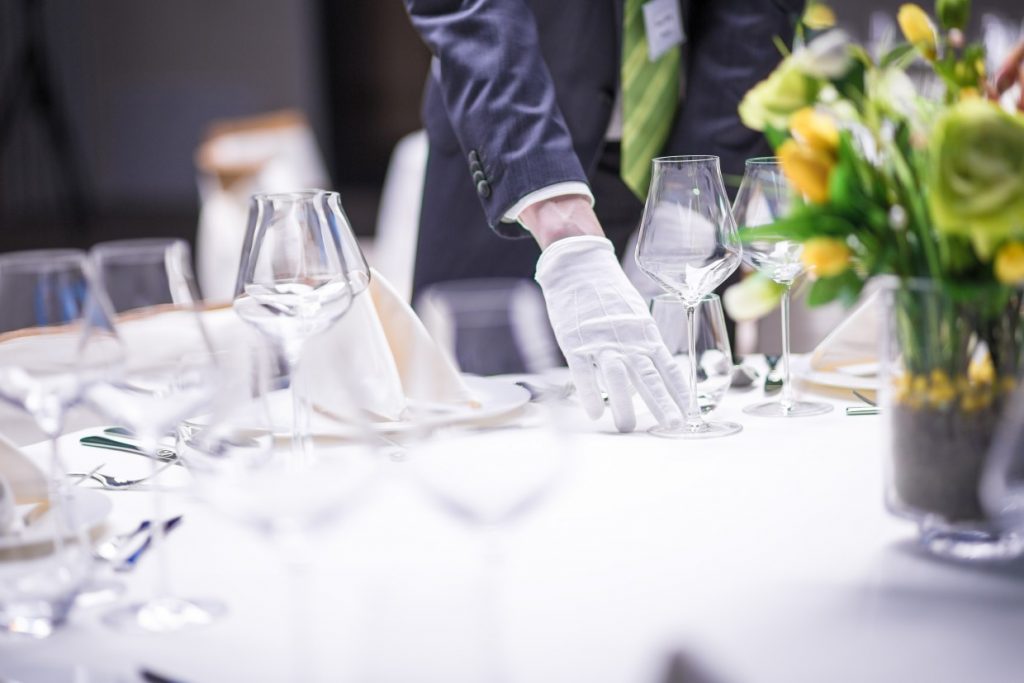
Glass versus crystal is the core of the present passage. If you’re planning a full course meal for an elegant event or looking to add a sophisticated touch to a romantic dinner, you may find yourself headed to the china cabinet to pull out the good crystal.
Crystal Systems
What comes to mind when you think of crystals? Many people might visualize beautiful, mineral objects with smooth faces in regular geometric patterns. Others might imagine elegant glassware. For gemologists, the scientific definition of a crystal goes right to the atomic level. A crystal is a solid whose atoms are arranged in a highly ordered repeating pattern. These patterns are called crystal systems. Crystal glass has long been associated with high-end dining, but why is it considered more luxurious than standard glass? Below we’ll clarify the difference between crystal and glass to help you set the table for your next event.
Crystal a Subcategory of Glass
Glass is a generic name, while, crystal is a subcategory of glass, made in the same manner as glass but with different materials. Hence, all crystal is glass, but not all glass is crystal. There are three primary criteria for crystal as established by the European Union in 1969: a lead content in excess of 24%, a density in excess of 2.90 and a reflective index of 1.545.
Crystal Pure Substances
Scientifically, crystals are pure substances whose atoms, molecules, or ions are arranged in an ordered pattern, where they extend in all three spatial dimensions. Crystals most commonly occur naturally on the earth, though the process of crystal formation via mechanisms of crystal growth is called crystallization or solidification.
Glass versus Crystal
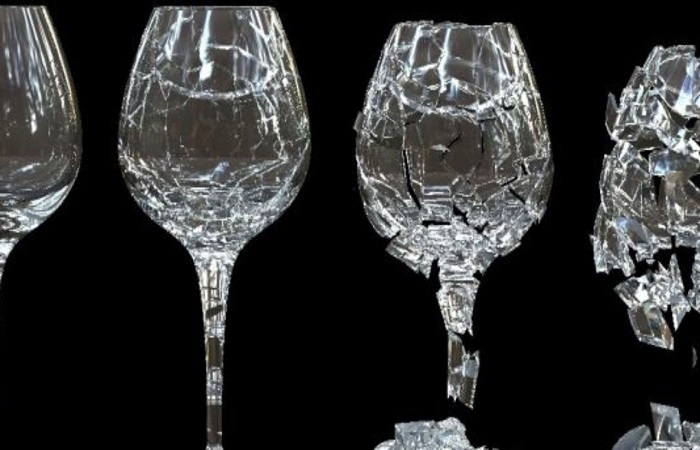
When comparing glass with crystal, crystal is a type of glass that contains strengthening minerals like lead-oxide, potassium carbonate, and silica to make the material durable. The added strength allows the crystal to be molded into thin, delicate shapes. Standard glass is usually made with sand, soda ash, and limestone, making it durable but unable to be molded as thin as crystal. Crystal is also able to refract light while glass will typically lack that ability, making crystal more sought out for formal table settings and more expensive than glass.
Glass Features
Glass is a transparent material that can be melted down and molded into solid shapes. It is made from sand, soda ash, and limestone, but other minerals like silica and barium can be added to manipulate its color, durability, and thickness. Glass with a low mineral count is non-porous, which makes glass dishwasher safe and heat-resistant. Some popular types of glass used in public settings are borosilicate glass, commonly used for glass food storage containers, and fuzed quartz glass used for camera lenses and lab equipment.
Crystal Features
Crystal glass is a transparent material made with the same ingredients as glass, but with added lead-oxide or metal-oxide. The additional ingredients make the crystal retain its integrity even when cut or blown. The added ingredients in crystal glass makes the material slightly porous, giving it the ability to refract light brilliantly. However, this also means that the material is not dishwasher safe.
Crystal Naming
Crystal is produced by companies around the globe and can be made with varying levels of lead-oxide. Unlike the name suggests, crystal glass does not actually contain a crystalline structure in its material compound. The name is derived from the Italian term Cristallo, which was used for high-end hand-blown glass in Italy. Its association with sophistication makes crystal desirable and higher in price than glass.
Summing Up
Whether you’re catering a wedding or serving festive holiday cocktails at a Christmas party, crystal can help you bring your event to a higher level of sophistication. Make a great impression on your guests with glassware that is sure to catch the eye as they sparkle in the room.
To learn more about us, click here.
Sources
www.webstaurantstore.com/blog/3476/crystal-vs-glass.html
www.gemsociety.org/article/crystal/