

Glass and Crystal Differences
Differences between Glass and crystal are to be discussed here. Glass and crystal are both made by being heated in a furnace until molten. They are then blown by a glassblower and shaped into the desired designs. However, the two materials do feature various differences, from their chemical composition and weight down to how they refract light and reverberate sound. We take a close look at their differences below to clarify why crystal comes with a higher price point. In the following, we will discuss the major differences between glass and crystal.
Glass/Appearance Differences
Glass is often slightly foggy in appearance and can typically feature a tint based on the ingredients in its composition. It can have a green tint if made with iron or a blue tint if made with soda-lime.
Crystal/Appearance Differences
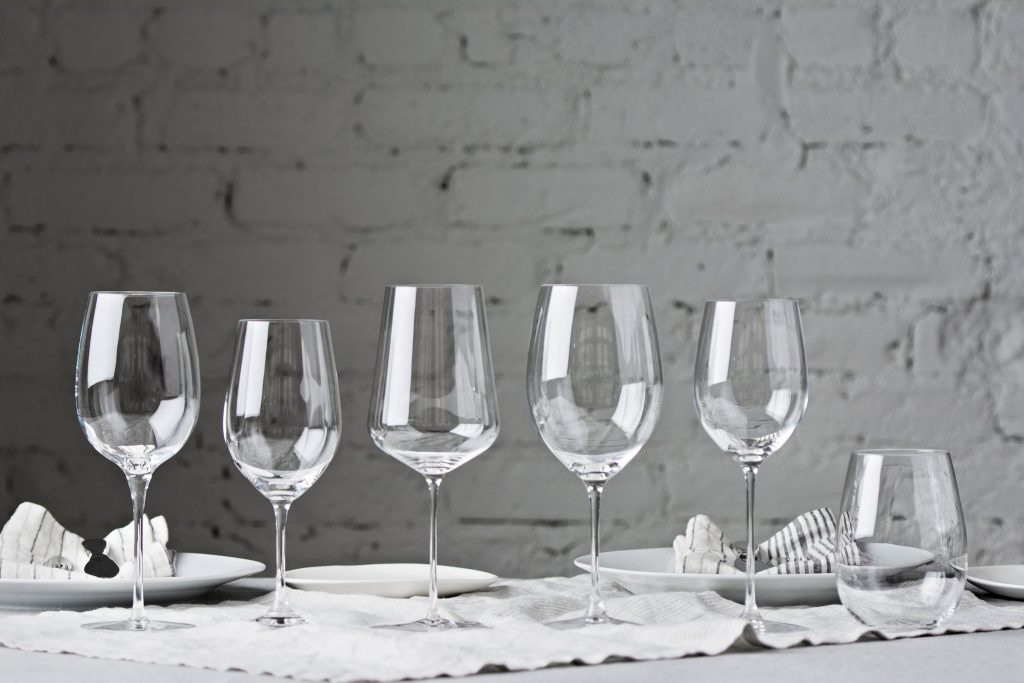
Crystal boasts incredible clarity, which makes it a desirable choice for high-end glassware and decorations.
Glass/Weight Differences
Glass is lighter in weight in comparison to crystal pieces of the same design.
Crystal/Weight Differences
Because crystal contains lead or other metals, it tends to be heavier in weight than standard glass of the same design.
Glass/Thickness Differences
Due to the soda-lime in its chemical composition, glass requires a high working temperature and hardens rather quickly after being heated, which results in a thick rim. The material is more fragile than crystal so most cup rims will be reinforced for added strength.
Crystal/Thickness Differences
Crystal can be heated at lower temperatures than glass because of the lead and potassium carbonate in the composition. This allows for the glassblower to more easily work the material and make it thin. The additional chemicals also help the material to remain strong while being stretched further than glass.
Glass/Cut Differences
Since glass hardens more quickly than crystal, it offers little time to be cut by hand. The material is generally too hot to manage with gloves so glass is typically bent into shape while hot or blown into a mold. Any cuts on the surface are usually sharp, rigid, and brittle.
Crystal/Cut Differences
Since crystal is strengthened by its minerals, it is soft enough to add smooth hand-cut details to its surface without compromising its durability. The material is more malleable than glass, allowing the artist to add intricate patterns. The cuts can then be buffed and polished without fear of shattering the structure.
Glass/Refraction Differences
Glass has very little metal content, which means that light will pass through like a windowpane without refracting. The soda-lime in glass lacks retracting abilities.
Crystal/Refraction Differences
Because of the lead and metal content in crystal, the material can refract light that passes through it in the right position. Light disperses from crystal in a rainbow hue, making the material desirable for decorations and tableware.
Glass/Sound Differences
Glass provides a dull chime when tapped or flicked. The sound is usually short in length and subtle.
Crystal/Sound Differences
When tapped, crystal creates a satisfying bell-like ringing sound. The lead content in the material allows the sounds to be slightly prolonged.
Glass/Benefits
Glass tableware is a great option for everyday use because it is made thick and durable. It can be put in the dishwasher for easy cleanup and has a reinforced rim to prevent chips and cracks.
Crystal/Benefits
Crystal glass refracts light beautifully, glinting light into rainbows. This makes it an excellent choice for cups, bowls, vases, champagne flutes, chandeliers, and ornaments. It can also be molded thin, which means that wine glasses can have a thin rim, providing an uninterrupted flow of wine. Crystal is also popular at weddings because of the ringing noise it makes when glasses are clinked.
Crystal FAQs
Although crystal has been around since the 17th century, there are still many questions surrounding its safety and crafting. Below we’ll answer some of the most frequently asked questions about crystal.
Lead Crystal
Crystal lead is glass that uses lead-oxide as a strengthening and clarification agent. Lead crystal is not considered safe for beverage or food storage. There is a low-risk of lead consumption if you are using lead crystal for a single beverage or food serving. However, if you are storing a liquid in lead crystal for a prolonged period of time, such as storing whiskey in a decanter, you may be at risk of having lead leach into your beverage.
Does All Crystal Have Lead?
Not all crystal glass contains lead. You can find lead-free crystal that uses alternative metal oxides, such as barium oxide, potassium oxide, zinc oxide, and magnesium, instead of lead oxide. This is to make the glass safe for food storage without the concern of lead leaching into the food or beverage. The best way to know if your crystal contains any lead is to have it lab tested.
Glass and Crystal
Crystal is well-known for being more refined than traditional glass, and with good reason. Crystal and glass are composed of different materials, with crystal lending itself to a greater shine as well as more intricate designs. While glass is made from sand that has been liquefied, crystal sets itself apart with something known as flint glass.
This specific type of glass is formed with lead content instead of calcium content. The additional lead oxide results in a higher level of refraction, or in other words, it separates light more than regular glass. It also allows for more decorative properties. Oftentimes, wine glasses with unique designs are actually lead crystal wine glasses.
To learn more about us, click here.
Send your price quotes directly to our WhatsApp through this Link: https://wa.link/ord5k8
Sources
www.webstaurantstore.com/blog/3476/crystal-vs-glass.html
www.scullyandscully.com/blog/how-to-tell-the-difference-between-crystal-and-glass/